


Vacationers heading to Western Australia’s picturesque Kimberley region have become targets of sophisticated online scammers following an international data breach involving hospitality reservation technology provider RMS. Cybercriminals have been exploiting stolen guest information to send fraudulent payment requests, raising serious concerns over the security of digital hotel booking systems.
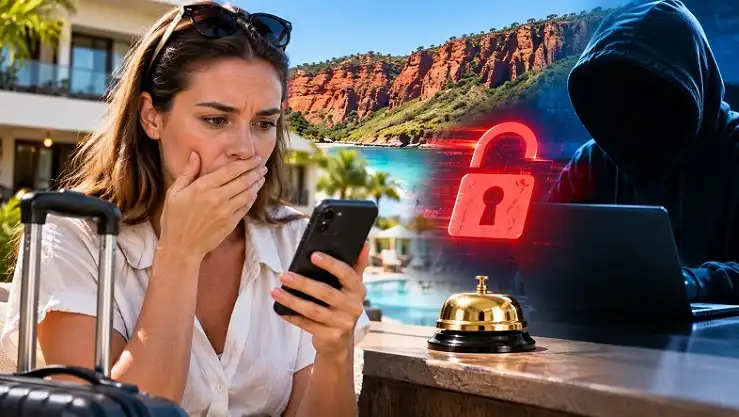
Image Credit: Bangkok Hotel News
The incident has exposed vulnerabilities in the technology infrastructure that accommodation providers increasingly depend upon. As highlighted in this Hotel News report, the use of authentic reservation information has made fraudulent communications particularly convincing, leaving even technologically experienced travelers vulnerable to financial deception.
Scammers Exploit Genuine Hotel Reservations
For Sydney resident Jason Neilson, the threat became remarkably personal when he received a WhatsApp message concerning his forthcoming stay at the Cable Beach Club in Broome.
Despite working in the technology sector, Jason initially trusted the communication because it contained accurate personal and travel information. He began submitting card information before noticing discrepancies that prompted him to report the suspicious message to the resort.
The Kimberley Accommodation Group has also reported similar incidents involving its guests. The extent of customer losses remains unclear.
International Hotel Booking Platform Under Scrutiny
RMS provides reservation management technology to more than 6,000 accommodation establishments worldwide, including hotels, serviced apartments, resorts, and holiday parks.
The repercussions have extended well beyond Western Australia. Accommodation businesses in Tasmania, including Wrest Point Casino, have encountered fraudulent emails containing legitimate reservation numbers, room categories, and arrival and departure dates.
Other hospitality operators affected reportedly include ALH Hotels and Discovery Parks.
RMS Chief Executive Officer Adam Seskis confirmed that payment and credit card information had not been compromised during the breach. However, the company acknowledged the seriousness of the incident and enlisted cybersecurity specialists to assist with its investigation.
On November 2nd, RMS reported that the unauthorized activity had been contained, although investigations into the incident’s overall impact were continuing.
Cybercriminals Exploiting Travelers’ Fears
Murdoch University cybersecurity academic Brianna O’Shea warned that modern phishing campaigns increasingly manipulate emotions and exploit consumers’ confidence in seemingly legitimate businesses.
For travelers who have already invested considerable sums in flights and vacation arrangements, the prospect of suddenly losing their accommodation can be particularly distressing.
Unlike traditional phishing attempts, personalized scams can appear almost indistinguishable from legitimate correspondence. The presence of accurate booking information can easily override the initial suspicions that would otherwise prevent someone from opening an unfamiliar link.
Important Lessons for Hotels in Thailand and Elsewhere
The Australian incident carries important lessons for hospitality businesses across Thailand, particularly in major tourism destinations such as Bangkok, Phuket, Pattaya, Koh Samui and also elsewhere, around the world.
Hotels should regularly assess the cybersecurity practices of external technology suppliers, establish emergency communication protocols, and clearly inform guests about their official payment procedures.
Travelers receiving unexpected payment demands should contact their accommodation provider directly using independently verified telephone numbers or email addresses. Anyone who inadvertently discloses banking information should immediately notify their financial institution.
Protecting Guest Confidence Is Now Essential
The hospitality industry’s growing dependence on interconnected digital platforms has made cybersecurity an essential component of guest protection. Although modern reservation technology offers considerable operational advantages, the Kimberley incident illustrates how compromised information can undermine consumer confidence and expose travelers to financial risks. Hotel operators must recognize that protecting guests’ personal information deserves just as much attention as ensuring their physical safety and comfort.
References:
https://orbit.co.nz/global-rms-cloud-data-security-incident-notification/
https://www.questapartments.com.au/about-quest/news/article/rms-data-breach-update