


Bangkok Hotel Technology News: A Major Shift in Strategy
Airbnb is preparing to roll out a new hotel interface within its app, marking a bold step beyond home rentals into the world of boutique and independent hotels. This feature will appear as a separate tab—likely labeled “Stays”—and will use a carousel-style design that allows travelers to swipe through hotel listings. The launch will begin with pilot programs in select cities, including New York, and reflects a calculated move to strengthen Airbnb’s grip on the global travel market. Halfway into this development, it is worth noting that this Bangkok Hotel Technology News report explores how the company is positioning itself closer to traditional online travel agencies.
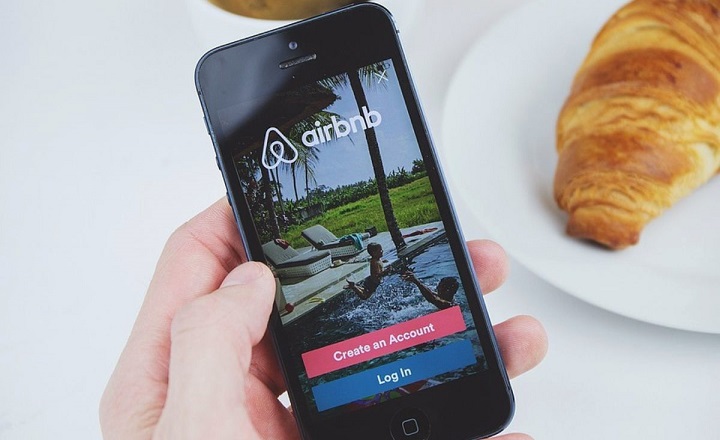
Airbnb is rolling out a new hotel interface within its app
Image Credit:Pixabay
Why Airbnb Is Moving into Hotels
The strategy did not appear overnight. Airbnb’s acquisition of HotelTonight back in 2019 had already hinted at an eventual expansion into hotels. However, the pandemic forced the company to pause many of its plans, including its Experiences verticals. CEO Brian Chesky revealed at the Skift Global Forum that the company has since rebuilt much of its technology, enabling a smoother rollout of new services. According to Chesky, guests who fail to find suitable homes often turn to rival sites for hotel bookings. By embedding hotels directly into the Airbnb platform, he believes the company can capture those travelers instead of losing them to competitors.
A Competitive Response to OTAs
Airbnb’s shift also comes in the wake of its fee structure overhaul, which simplified charges and aligned the company’s model more closely with online travel agencies such as Expedia and Booking.com. By adjusting its system, Airbnb hopes to streamline user experience and offer hotels the familiarity of industry-standard fee practices. This strategic pivot is more than just adding inventory—it is about redefining Airbnb as a full-service platform capable of delivering everything from homes and inns to boutique hotels and bed-and-breakfasts.
Building A Travel Super Platform
Chesky has been transparent about his vision of Airbnb evolving into a comprehensive travel ecosystem. He envisions the brand not just as a home rental service but as a “platform for everything you need to travel and live around the world.” The integration of hotels is a crucial piece of this puzzle. With access to 1.6 billion devices each year, Airbnb believes independent hotels stand to benefit from a massive increase in visibility and direct bookings.
What It Means for Hotels and Guests
For boutique and independent hotel operators, this could be a game changer. Unlike large chains that already dominate distribution channels, smaller hotels will now find themselves in front of millions of potential guests worldwide. For travelers, the shift means greater variety and a one-stop platform to compare homes and hotels. The move also signals increasing competition in the already crowded online travel space. If successful, Airbnb could redefine itself not only as a disruptor of hospitality but as a central hub for global travel planning. For the hotel industry, this evolution could present both new opportunities and fierce new rivalries as digital giants continue to reshape how the world books travel.
And for the latest Bangkok Hotel Technology News, keep on logging to Bangkok Hotel News.