


Bangkok Hotel News: Bangkok’s hotel scene is undergoing a striking transformation as food and dining experiences become the new frontline of competition. No longer satisfied with offering just rooms and amenities, leading hotels across the Thai capital are investing heavily in culinary concepts, celebrity chefs, and elevated gastronomic experiences designed to attract both international travelers and affluent locals. In a city already renowned for its vibrant street food and world-class restaurants, hotels are now positioning themselves as culinary destinations in their own right.
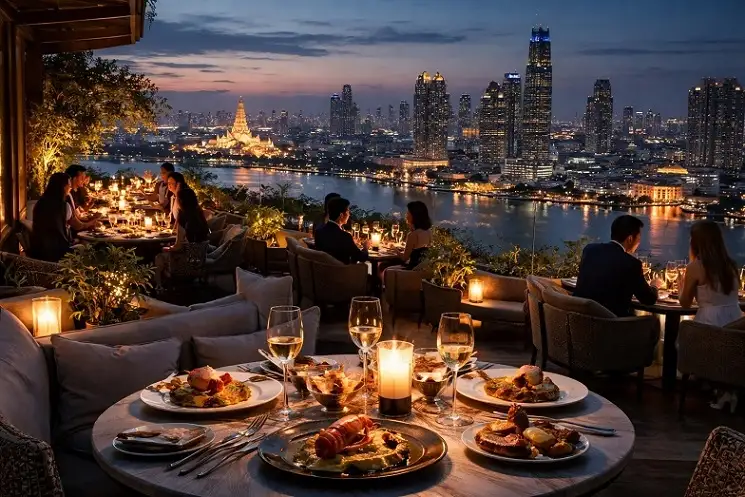
Image Credit: Bangkok Hotel News
This shift reflects changing traveler expectations, where guests increasingly seek immersive, memorable experiences rather than conventional luxury. Dining has emerged as a key differentiator, with hotels recognizing that a signature restaurant or exclusive culinary collaboration can drive both occupancy and brand prestige. This Bangkok Hotel News report observes that food is no longer an add-on – it is becoming the core identity of many high-end hospitality offerings in the city.
Celebrity Chefs Take Center Stage
One of the most noticeable trends is the influx of celebrity chefs partnering with Bangkok hotels. Internationally acclaimed names are being brought in to design menus, oversee kitchens, and lend star power to hotel dining venues. These collaborations not only elevate a hotel’s profile but also create a sense of exclusivity that appeals to global travelers.
Hotels are leveraging these partnerships to craft narratives around their dining spaces, turning restaurants into storytelling platforms. Guests are not just eating meals – they are experiencing curated culinary journeys shaped by renowned chefs. This strategy has proven especially effective in drawing attention from social media audiences and food critics alike.
Michelin Dreams and Prestige Play
Another driving force behind this culinary competition is the pursuit of Michelin recognition. Bangkok’s growing reputation in the Michelin Guide has intensified the race among hotels to secure stars for their in-house restaurants. Achieving such recognition is seen as a powerful endorsement of quality and can significantly boost a hotel’s international standing.
To reach these ambitions, hotels are investing in premium ingredients, refined techniques, and meticulous service standards. The goal is to create dining experiences that rival standalone fine dining establishments, blurring the line between hotel restaurants and the city’s top culinary venues.
Local Identity vs Global Appeal
As hotels refine their food strategies, a key tension has emerged between showcasing authentic Thai cuisine and offering globally inspired menus. Some properties are doubling down on local identity, highlighting regional flavors, traditional recipes, and farm-to-table concepts that celebrate Thailand’s culinary heritage.
Others are opting for international fusion, blending global techniques with local ingredients to create innovative dishes that appeal to a broader audience. This balance between authenticity and global appeal has become a defining challenge, as hotels strive to stand out while remaining relevant to diverse guest profiles.
Dining as a Revenue Engine
Beyond branding, food and beverage operations are increasingly seen as major revenue drivers. High-end restaurants, themed dining events, and chef’s table experiences are generating substantial income streams, often attracting non-hotel guests as well. This has transformed hotel dining from a supporting function into a central business pillar.
Moreover, the rise of experiential dining – such as interactive kitchens, tasting menus, and cultural food showcases – has added new dimensions to guest engagement. These offerings not only enhance the guest experience but also encourage repeat visits and stronger customer loyalty.
A Culinary Future for Bangkok Hotels
Bangkok’s hotels are clearly redefining what luxury means in the modern hospitality landscape. By placing food at the heart of their offerings, they are creating deeper emotional connections with guests while elevating the city’s global culinary reputation. The competition is no longer just about rooms or views—it is about who can deliver the most unforgettable dining experience.
As this trend continues to evolve, it is likely that culinary innovation will remain a critical battleground for Bangkok hotels. Those that successfully combine authenticity, creativity, and quality will not only stand out in a crowded market but also help shape the future of hospitality in Thailand’s capital. In the coming years, dining may well become the defining factor that separates the good from the truly exceptional in Bangkok’s hotel industry, as properties push boundaries to capture both taste and imagination.
For the latest on Bangkok Hotel Dining, keep on logging to Bangkok Hotel News.