


While mainstream hospitality headlines claim and celebrate record tourist arrivals and glittering new flagship openings across Thailand, a very different story is unfolding inside private meetings rooms of various top brokerages. In mid-November 2026, collated data from brokerages and investment groups recorded a sudden surge in new direct-mandate postings offering seven luxury four- and five-star hotels for quiet, off-market acquisition. Ranging from 160-key properties to sprawling 400 plus-room urban landmarks across Bangkok, these listings reflect a discreet wave of capital restructuring taking place far away from typical public hotel and real estate portals. Many are prestigious properties with well-known owners and surprisingly one is a new property that had only opened recently.
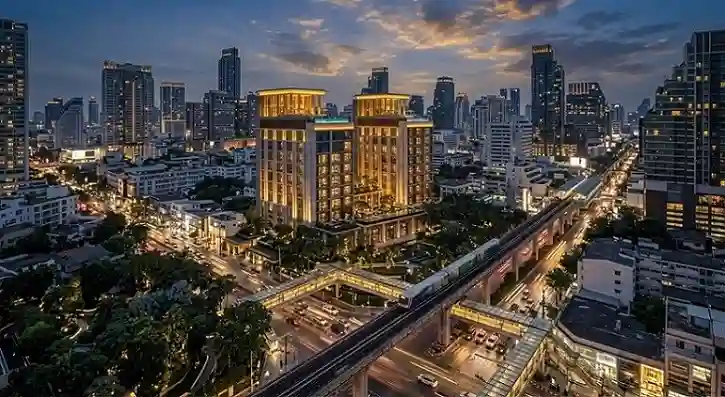
Image Credit: Bangkok Hotel News
A Stealth Market Driven by Strict Discretion
Unlike traditional commercial real estate transactions that rely on glossy brochures and public auctions, this latest wave of deals operates under tight secrecy. As niche trade observers and outlets like Bangkok Hotel News have increasingly highlighted in recent months, asset owners are acutely aware of the reputational damage caused by a public sale. When word leaks that a flagship property is on the block, staff morale can plummet, corporate clients hesitate to book long-term events, and competing brands aggressively poach key executives. To prevent these disruptions, sellers are bypassing open listings entirely and turning to vetted private networks reputable brokerages and investment companies to reach qualified institutional buyers directly.
No Chain Brokers, Proof of Funds First
The mid-November postings reveal a marked shift in how off-market hotel deals are vetted in Thailand. Historically, Bangkok’s hotel brokerage scene has been notorious for long chains of informal intermediaries passing around unverified teasers. Today’s direct mandates are aggressively cutting out the noise. The recent listings enforce strict, non-negotiable protocols: no co-brokers or multi-layered agent chains, mandatory Proof of Funds (POF), and a signed Letter of Intent (LOI) before a Non-Disclosure Agreement (NDA) is even issued or the hotel’s identity is revealed. Only after a buyer clears these financial hurdles will the seller’s representative release the property name, financial statements, and official valuation documents.
Oversupply and Refinancing Pressures
The sudden new availability of seven upper-upscale and luxury assets underscores growing financial pressures beneath the surface of Thailand’s tourism recovery. Over the past two years, Bangkok and key coastal destinations have absorbed an unprecedented pipeline of new room inventory. While headline occupancy rates look healthy, intensifying competition has squeezed average daily rates (ADR) and pushed up operational and payroll costs. At the same time, many hotel owners who took on heavy debt loads or negotiated temporary loan restructurings during earlier market downturns are now facing refinancing deadlines. For owners unwilling or unable to fund costly property improvement plans (PIPs) required by international hotel operators, a quiet, off-market exit has become the most practical solution.
Where Smart Capital Is Looking
For well-capitalized private equity funds, family offices, and regional hospitality groups, this shadow inventory represents a rare buying opportunity. Rather than waiting years for greenfield construction permits and rising building costs, buyers can acquire turnkey four- and five-star assets in prime locations—often with the flexibility to rebrand or reposition the property immediately upon closing. As long as confidentiality remains paramount for distressed or restructuring owners, Bangkok’s most consequential hotel deals of late 2026 will likely continue to begin not in a boardroom, but behind the closed doors of private online investment groups.