


Hotel News: Border Conflict Prompts Urgent Advisories
Ongoing armed clashes between Thailand and Cambodia across disputed border territories have ignited concern among global travel and tourism organizations. With both countries serving as top travel destinations in Southeast Asia, the unrest has prompted immediate safety measures and official warnings.
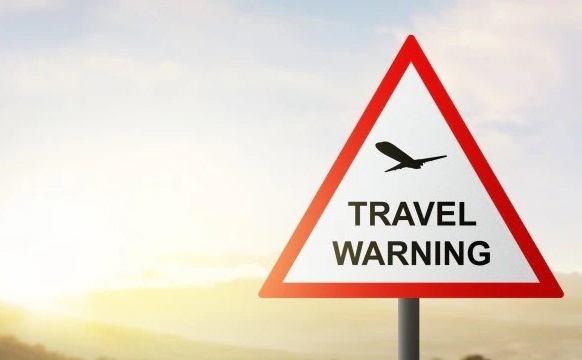
Many countries are now advising their citizens to avoid travel to Thailand and Cambodia due to the escalating conflicts
Credit: AI-Generated
On July 24, the Tourism Authority of Thailand (TAT) released a travel advisory highlighting the closure of several border crossings and the suspension of access to tourist areas located near volatile regions.
https://www.tatnews.org/2025/07/travel-advisory-border-safety-measures-in-place-across-eastern-and-northeastern-thailand
This Hotel News report confirms that the travel restrictions currently affect seven Thai provinces near the Cambodian frontier: Ubon Ratchathani, Surin, Si Sa Ket, Buri Ram, Sa Kaeo, Chanthaburi, and Trat. Popular attractions such as Phu Chong-Na Yoi National Park in Ubon Ratchathani, Khao Phra Wihan National Park in Si Sa Ket, and Phanom Sawai Forest Park in Surin are among those closed for public safety.
TAT officials stated that the situation is being monitored closely and further updates will be released as necessary.
Embassies and Tour Operators Respond
Following the TAT advisory, the U.S. Embassy in Thailand quickly issued its own alert urging American citizens to avoid travel to the affected provinces.
https://th.usembassy.gov/travel-advisory-thailand-cambodia-border-2
India’s government followed suit, cautioning its citizens to steer clear of these regions as well.
The Australian government as asked its citizens to avoid all travel to Thailand and Cambodia.
Asian Trails, a regional travel specialist, issued a statement assuring that all guests in both Thailand and Cambodia are safe and far from the troubled areas. “The safety and well-being of our clients is our highest priority. We are closely monitoring the situation through government sources and our local partners on the ground,” the company said.
Thai Airways CEO Chai Eamsiri reported that the national airline is closely assessing the situation and preparing evacuation measures for staff in Cambodia if necessary. At present, flights continue to operate as scheduled.
Cambodia Maintains Tourist Operations but Warns of Perception Risks
Meanwhile, Cambodia’s travel leaders are striving to reassure tourists. Thourn Sinan, chairman of the PATA Cambodia Chapter, told regional media that the country’s major destinations—including Siem Reap, Phnom Penh, and coastal areas—remain fully secure and are operating normally.
However, Sinan voiced concern over the broader impact of the conflict. “Even when skirmishes are localized, they shape global perception. Tourists may avoid the region entirely due to fear, even if they are not directly affected,” he said. He warned that tourism-reliant economies like Cambodia and Thailand could suffer sharp declines in bookings, hotel occupancy, and local tourism revenue.
Irreplaceable Cultural Damage and Local Suffering
Beyond the travel and economic impact, Sinan also highlighted a more painful consequence: the destruction of cultural heritage and the suffering of border communities. “Some of the world’s most treasured temples – symbols of human history and spiritual identity – have sustained damage from shelling and military activity,” he stated.
Reports from multiple outlets confirm civilian casualties and the displacement of residents on both sides of the border. If violence continues or worsens, the damage could stretch far beyond lost tourism revenue. It risks erasing centuries-old landmarks and upending the livelihoods of families who depend on peace to survive.
The regional tourism industry now watches with bated breath. As governments and stakeholders rally to protect lives and heritage, the hope remains that peace can return swiftly. A prolonged conflict would not only impact visitor numbers but may also leave lasting scars on the cultural and economic landscape of both nations.
For the latest travel and tourism news, keep on logging to Bangkok Hotel News.