


Key points
- Malaysia’s hospitality sector is heading toward a period of financial turbulence, with hotel operators now warning of potential rate hikes of 10% to 15% in response to an increasingly hostile cost environment.
- The combination of newly implemented electricity tariffs, an expanded Sales and Services Tax (SST), and rising minimum wages is pushing many hoteliers to pass on these costs to guests.
- For the latest on the hotel market in Malaysia or in region, keep on logging to Bangkok Hotel News.
Rising Costs Spark Warnings of Steep Hotel Rate Increases
Malaysia’s hospitality sector is heading toward a period of financial turbulence, with hotel operators now warning of potential rate hikes of 10% to 15% in response to an increasingly hostile cost environment. The combination of newly implemented electricity tariffs, an expanded Sales and Services Tax (SST), and rising minimum wages is pushing many hoteliers to pass on these costs to guests.
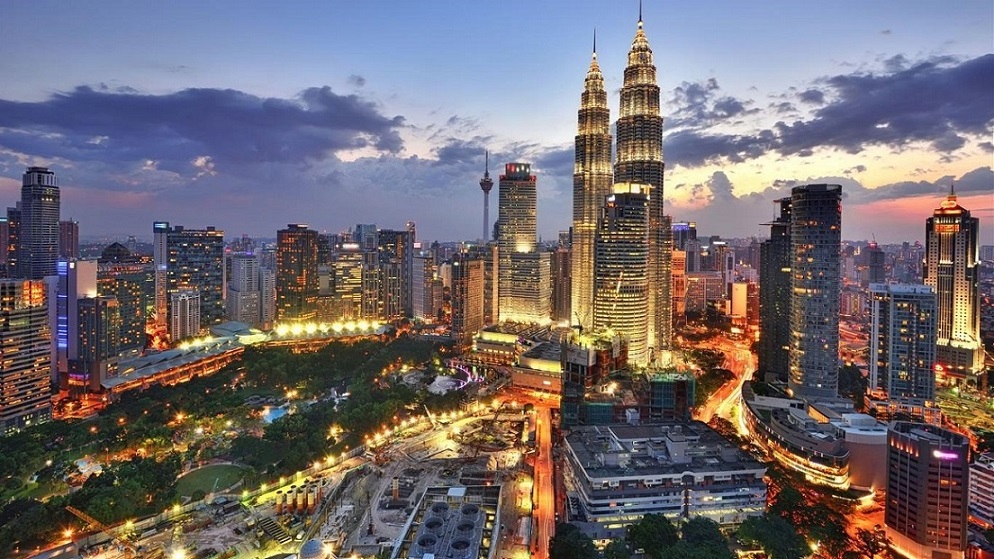
Due to daily wage hikes, rising sales & services tax and rising electric tariffs, hotel room rates are expected to rise in Malaysia.
Image Credit: Malaysia Tourism Promotion Board
While the new SST rules do not directly raise taxes on hotel stays or food and beverage services, the broader impact on overheads is undeniable. This Hotel News report finds that operational burdens—especially for smaller and mid-sized properties—are mounting at a worrying pace, prompting widespread concern across the industry.
New Tariffs and Wage Pressures Drive Cost Surges
Datuk Khoo Boo Lim, vice president of the Malaysian Association of Hotels (MAH), confirmed that hoteliers have limited options. “We are facing increases in power tariffs, wages, and food prices, and now some SST elements will have to be absorbed. Unfortunately, this means that room rates will have to go up,” he explained.
Minimum wage for companies with five or more employees was raised to RM1,700 as of February, with smaller firms required to comply by August. As hotels struggle to adjust to this, they must also prepare for the mandatory 2% Employees Provident Fund (EPF) contribution for foreign workers, which comes into effect in October 2025.
Khoo stressed that while the wage hike is understandable in theory, it’s impractical for the hotel sector, which often requires higher base salaries just to maintain service quality. He also noted that Malaysia’s reliance on imported food—now subject to additional SST on select items like premium seafood and imported fruits—is another key contributor to rising F&B costs.
Operators Brace for More Financial Strain
Haziz Hassan, chairman of the Negeri Sembilan chapter of MAH, echoed these concerns. “We’ve implemented wage hikes, and now we’re being hit with power tariffs and indirect tax increases—all in a very short period of time. It’s overwhelming,” he told local media.
Haziz admitted that while the price increase could hurt occupancy rates, it may be necessary just to keep hotels running. Already, many properties have begun freezing staff hiring, reducing overtime, and limiting power usage to cut costs. He also noted that corporate and government bookings have declined significantly, putting further pressure on hotel revenues.
Government Pushback and Tourism Campaign Timelines
Despite hoteliers’ concerns, Malaysia’s Ministry of Finance has urged the industry not to use the SST expansion as an excuse to raise prices. The ministry clarified that the revisions effective July 1 do not touch the taxes applied to hotel accommodations or in-house F&B services.
Still, insiders worry that the timing of these new cost pressures couldn’t be worse. With the Visit Malaysia Year 2026 campaign just six months away, the tourism sector is expected to play a key role in the country’s post-pandemic recovery. Sharp price increases now could undercut that momentum.
Hotel stakeholders are calling for clearer guidance and greater support, emphasizing that without relief, the compounded financial stress could jeopardize the country’s hospitality sector at a critical juncture. The ripple effects will likely touch domestic travelers first, as they remain highly sensitive to rate changes amid rising living costs.
For the latest on the hotel market in Malaysia or in region, keep on logging to Bangkok Hotel News.