


Key points
- But rising costs, a post-pandemic market reset, and broader access to hospitality expertise are empowering owners to rethink the value of these relationships.
- But the damage is done in many cases, and owners are no longer afraid to walk away.
- This new phase in Bangkok’s hotel industry signals a more confident and informed generation of Thai owners.
Bangkok Hotel News: The End of Passive Hotel Ownership
Bangkok’s hotel industry is undergoing a subtle but significant shift in power. While international operators once held unmatched influence over how properties were managed, a growing number of Thai hotel asset owners are pushing back. These local stakeholders are questioning old agreements, scrutinizing fees, and even preparing to go it alone as they eye the end of long-standing contracts.
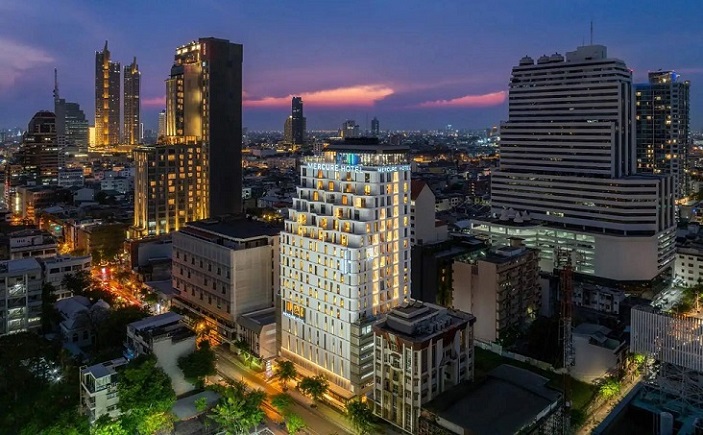
Thai hotel asset owners are challenging global brands and reclaiming operational power
Image Credit: StockShots
For years, big-name brands enjoyed a dominant role—demanding high fees, dictating renovation timelines, and enforcing tight control over property operations. But rising costs, a post-pandemic market reset, and broader access to hospitality expertise are empowering owners to rethink the value of these relationships. This Bangkok Hotel News report reveals a quiet rebellion gaining momentum among Bangkok’s most powerful hotel investors.
Renovation Battles Behind Closed Doors
One of the most contentious issues is renovation scheduling. Operators often insist on brand-mandated upgrades every few years to maintain consistency across global portfolios. However, Thai owners are increasingly resisting these costly makeovers—especially when guest satisfaction scores are stable and return on investment is questionable. Many owners argue that renovation timelines designed in New York or Paris do not make financial sense in Bangkok’s price-sensitive market.
Unpacking the Fee Structures
Another flashpoint is the management fee model. Base fees, incentive bonuses, marketing charges, and tech platform costs are adding up—and owners are now doing the math. They are hiring consultants and advisors to dissect every line item and are discovering just how much revenue disappears before reaching their bottom line. With profits under pressure, especially in non-luxury segments, asset owners are no longer accepting vague promises of “brand uplift.”
Contracts Under the Microscope
Performance tests and early exit clauses are becoming legal battlegrounds. As five-, ten-, or fifteen-year agreements inch toward expiration, owners are reviewing performance benchmarks and looking for contractual leverage. Many are discovering that international operators may have failed to meet minimum return thresholds—giving them legal justification to renegotiate or terminate. Lawyers and asset managers are being quietly brought in to prepare transition roadmaps.
Turning to Self-Management and Local Brands
Faced with dwindling patience, some owners are considering a bold move: cutting out the operator entirely. Self-managed hotels, or properties run under soft Thai or regional brands, are gaining favor. These options promise more flexibility, lower costs, and greater alignment with the owner’s vision. With growing access to digital booking platforms, marketing consultants, and experienced general managers, this once risky option is now a viable—and increasingly popular—strategy.
What Lies Ahead for Bangkok’s Hotel Landscape
International brands are not blind to the shift. Some are offering revised terms, greater transparency, and longer grace periods for capital expenditure. But the damage is done in many cases, and owners are no longer afraid to walk away. What was once a relationship built on awe is now a negotiation between equals.
This new phase in Bangkok’s hotel industry signals a more confident and informed generation of Thai owners. They are no longer just investors—they are strategic players ready to reclaim control over their properties, their profits, and their futures.
For the latest on hotel managements trends, keep on logging to Bangkok Hotel News.