


Key points
- Sure, the numbers tell a tale of woe—Chinese visitors, that golden goose, plummeted nearly 37% in the first half of 2025 alone, haunted by headlines of scam centers lurking in the shadows.
- New alcohol laws, aimed at curbing rowdy behavior but hitting tourists square in the wallet, have sparked backlash—think extended closing hours for bars in Patong and Khao San that feel like a buzzkill for backpackers and boozers alike.
- the classic Bangkok Punjabi tailor hustle, zig-zag taxi rips at Suvarnabhumi, or worse, transgender muggers in the sois of Sukhumvit, Bangkok or in Pattaya and Phuket—tales of these are viral on Reddit and TikTok, scaring off families and flashing a “proceed with paranoia” sign to the world.
Bangkok Hotel News: In the sweltering heart of Bangkok, where neon lights once flickered like promises of endless adventure, the hotel industry is gasping for air. Picture this: over 1,285 registered hotels sprawling across the city, boasting a staggering 141,013 rooms, not to mention the shadowy underbelly of around 340 unregistered guesthouses and more than 27,000 short-term rentals popping up on platforms like Airbnb. These aren’t just numbers on a spreadsheet—they’re the lifeblood of a tourism machine that’s supposed to pump billions into Thailand’s veins. But right now, in late 2025, that machine is sputtering, with occupancy rates plunging to a dismal 67.1% approximately!
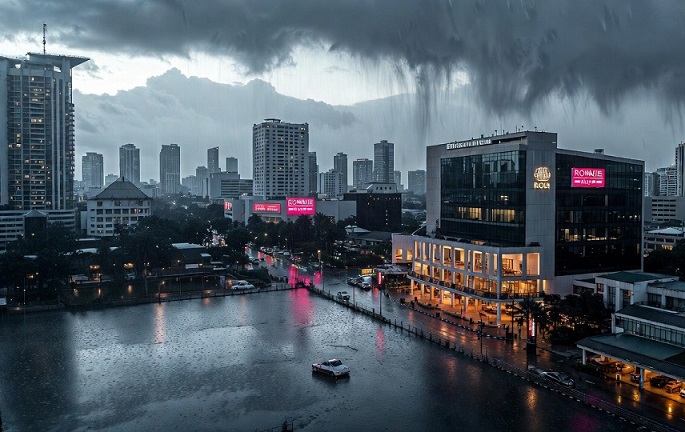
Bangkok’s hotels teeter on collapse amid scams, borders, and owner laziness—time for tough love over taxpayer tears. Image Credit: AI-Generated
The situation is leaving lobbies echoing with the ghosts of unchecked guests and staff twiddling thumbs behind empty reception desks. It’s not just rooms gathering dust; revenues from food and beverage outlets, banquet halls, spa treatments, and meeting spaces have cratered too, turning once-bustling properties into hollow shells of their former glory. What makes this nosedive so gripping isn’t just the stats—it’s the cocktail of chaos brewing beyond the check-in counters. International arrivals, projected to dip a brutal 14% for the full year as tourists are fleeing faster than rats from a sinking longtail boat.
High-season bookings? Forget it; they’re looking as bleak as a monsoon-drenched skyline. This Bangkok Hotel News report dives deep into why the crisis feels less like bad luck and more like a self-inflicted wound, one that’s got hoteliers scrambling for government lifelines they probably don’t deserve.
The Perfect Storm Sinking Thailand’s Appeal
Thailand’s tourism allure, once as irresistible as a plate of som tam on a humid night, has lost its zing for a reason. Sure, the numbers tell a tale of woe—Chinese visitors, that golden goose, plummeted nearly 37% in the first half of 2025 alone, haunted by headlines of scam centers lurking in the shadows.
North American jet-setters and those refined Europeans with their taste for quiet luxury? They’re jetting off to Vietnam or Malaysia instead, where the beaches don’t come with a side of geopolitical drama. But peel back the layers, and you’ll find a mess that’s equal parts external mayhem and internal rot. Start with the borders, those porous lines that should funnel funneled foot traffic but are now barricades of bad vibes. Tensions with Cambodia erupted into outright clashes in May 2025, closing key checkpoints and sparking a five-day skirmish that left dozens dead and travelers issuing “Do Not Travel” advisories from their home countries.
Sa Kaeo province saw 100% booking cancellations in hotspots like Aranyaprathet, while Chanthaburi’s cross-border trade ground to a halt, costing the sector a whopping 3 billion baht monthly.
Add the simmering violence in the deep South, reports of kidnappings funneling tourists into scam hellholes across the Cambodian and Myanmar frontiers, and you’ve got a safety reputation that’s more horror flick than holiday brochure. Flooding hasn’t helped—monsoon deluges recently turned streets into rivers, stranding visitors and shuttering sites like Phanom Rung Historical Park indefinitely.
Then there’s the national mourning, a somber veil draped over the kingdom, dialing down the party atmosphere that drew crowds in droves.
New alcohol laws, aimed at curbing rowdy behavior but hitting tourists square in the wallet, have sparked backlash—think extended closing hours for bars in Patong and Khao San that feel like a buzzkill for backpackers and boozers alike.
And let’s not sugarcoat the scams: the classic Bangkok Punjabi tailor hustle, zig-zag taxi rips at Suvarnabhumi, or worse, transgender muggers in the sois of Sukhumvit, Bangkok or in Pattaya and Phuket—tales of these are viral on Reddit and TikTok, scaring off families and flashing a “proceed with paranoia” sign to the world.
Oh, and the elephant—or should I say, the curry—in the room? The surge of low-spending problematic Indian tourists, now Thailand’s top-five market with direct flights from 15 cities, is a double-edged sword.
They’re boosting numbers in Phuket and Bangkok, sure, but whispers from old-school travelers paint a picture of “Mumbai slums” invading sacred spots—Indian eateries sprouting like weeds in tourist traps, double pricing alienating everyone else, and a cultural clash that’s turning off the Europeans craving authentic pad thai over paneer tikka. It’s politically charged, yeah, but travelers aren’t mincing words online: “If it smells like spice overload, it’s not the Thailand I signed up for.” The result? Traditional high-spenders are bailing, replaced by budget low-spending smelly hordes who crash in Airbnbs, not five-stars, leaving hoteliers high and dry.
The Shady Guests Filling the Void
Who’s actually showing up? Not the crowd you’d brag about at a welcome cocktail. Cheapskates hopping from hostel to homestay, visa overstayers chasing gig economy scraps in tuk-tuk queues, and worse—scammers slinking in from neighboring borders to set up shop, sex tourists prowling the underbelly, and fugitives dodging Interpol with fake passports. It’s a grim lineup, one that doesn’t pad bottom lines or polish reputations. The Miss Universe pageant fiasco the last few days didn’t help, spotlighting how some locals view foreigners as walking ATMs, with zero respect tossed in for good measure. (Yeah, that viral clip of organizers treating contestants like props and calling contestants as dumbheads went global, fueling the “Thailand’s lost its charm” narrative. I am surprised the pageant event is not cancelled and I have lost all respect for the ladies who are still competing)
Bumbling Bureaucrats and Marketing Mayhem
Don’t get me started on the promotion pros—or lack thereof. Agencies tasked with selling Thailand’s sizzle are staffed by folks who couldn’t sell ice to an Eskimo in July. English? Spotty at best. Ideas? Cringe-worthy, like pushing “soft power” via Thai Boy Love dramas that prioritize steamy guy-on-guy subplots over serene temples (Seriously? Is this the way to promote Thailand by showing Thai males fighting for the arses of other Thai males!). Phew, talk about missing the mark—who’s booking a flight for that? Even the gay tourists are staying away after reports of the ago-go bar boys carrying the Mpox virus! Meanwhile, a stronger baht is pricing out bargains, and competition from Vietnam’s visa-free perks is siphoning off the short-haul crowd.
Kings of Complacency Complacent
But here’s the kicker: many hotel owners aren’t victims; they’re villains in their own story. Take those Thai-Punjabi moguls dominating Sukhumvit, Phuket, and Chiang Mai—they’re lounging on complacency like it’s a poolside cabana. Hiring stupid millennial or Gen Z marketers who are either too green or too busy chasing side hustles to grasp basics? Check. Relying on Facebook ads with 100,000 bought bots but zero real likes? Double check. One hotel in Sukhumvit Soi 15 spot’s a GM that ghosts the team on weekends, feeding owners fluff reports that scream “all good” while rooms rot. These folks aren’t innovating; they’re napping through the nosedive, too cozy in their ivory towers to pivot to eco-tours or targeted TikTok campaigns or utilize real PR strategies. Some think that simply by having a website, doing Facebook and google adds, all their problems will be solved! They are in for rude awakening! Even AEO or GEO optimization is not going to solve their problems if they do not have strategic ideas!
New room supply—over 5,100 keys flooding Bangkok by year’s end—isn’t the only culprit; it’s their refusal to adapt that’s sealing the doom.
Time to Toughen Up, Not Tap Taxpayers
So, should we pity these hotel barons? Hell no. And government bailouts via taxpayer subsidies? That’s a non-starter, propping up dinosaurs too lazy to evolve. The Miss Universe mess laid bare the disdain some have for outsiders beyond their wallets; why reward that? Instead, force a reckoning: launch an offensive on those scam-riddled borders, scrap the joyless booze bans, and market Thailand as the safe, spicy escape it can be—not a scam artist’s playground. Owners must ditch the deadweight staff, embrace AI-driven bookings, and court niche crowds like wellness warriors or adventure junkies who’ll pay premium for authenticity. Looking ahead, 2026 could be a turning point if egos deflate and actions ignite. MICE events might spike occupancy and top focusing on the Indian, Russian ad Chines markets. Having more smelly Indian restaurants is not promoting Thai culture or Thai cuisine!
Without real reform—cracking down on overpricing, training staff to charm not cheat, and promoting cultural immersion over Indian curry conquests—the slide continues. Tourism isn’t dead; it’s demanding a makeover. Hoteliers who wake up could thrive in a leaner, meaner market, turning crisis into comeback. Those who don’t? They’ll be flipping burgers in their own empty ballrooms, wondering where the glory days went. It’s raw, it’s real, and it’s the wake-up call Bangkok’s hospitality scene desperately needs to reclaim its crown as Asia’s ultimate playground.
For the latest on the mess in Thailand’s tourism and hotel industry, keep on logging to Bangkok Hotel News.