


Bangkok Hotel News: Bangkok has earned a global reputation as one of Asia’s most welcoming tourism destinations, attracting millions of visitors each year with its luxury hotels, vibrant culture and renowned hospitality. Yet behind the polished lobbies and world-class guest experiences lies an issue that continues to affect thousands of travelers every year—hotel accessibility for people with disabilities and those with reduced mobility. As travel becomes increasingly inclusive, the spotlight is turning towards whether Bangkok’s hotels are truly equipped to welcome every guest equally.
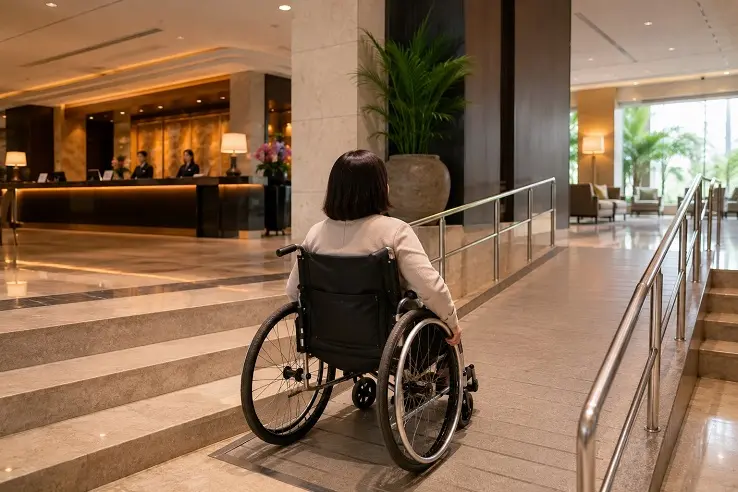
Image Credit: Bangkok Hotel News
Industry observers say that while many newly developed hotels have incorporated accessible facilities into their designs, a significant number of older properties still fall short of modern expectations. In fact, accessibility advocates estimate that as many as 70 percent of Bangkok hotels have at least one significant barrier that can affect guests with disabilities, whether it involves entrances, guestrooms, bathrooms or public spaces. This Bangkok Hotel News report found that although progress has accelerated over the past decade, improvements remain inconsistent across different hotel categories, leaving many visitors to research accommodation extensively before making a reservation.
Accessibility Is More Than Just Ramps
For many travelers, accessibility is often associated only with wheelchair ramps or lifts. However, hospitality experts point out that genuine accessibility extends much further. It includes wider doorways, accessible reception desks, elevators with tactile buttons and voice announcements, roll-in showers, visual fire alarms, hearing assistance systems and clear wayfinding signage throughout a property.
Guests with visual impairments, hearing loss, neurological conditions and temporary mobility limitations all benefit from thoughtful design that allows them to navigate a hotel independently and safely. Families travelling with elderly relatives also increasingly seek accommodation that offers barrier-free facilities.
As Thailand’s population ages and international travel continues to diversify, the demand for universally accessible accommodation is expected to rise significantly during the coming years.
Older Hotels Face Bigger Challenges
Bangkok’s hospitality landscape includes many hotels that were constructed decades before accessibility standards became a priority. Retrofitting these buildings is often both technically challenging and financially demanding.
Historic architecture, limited floor space and structural constraints can make renovations more complicated than incorporating accessible features into newly constructed developments. Nevertheless, industry consultants argue that even relatively modest upgrades can dramatically improve the guest experience.
Installing automatic entrance doors, lowering reception counters, improving lighting, redesigning bathrooms and enhancing signage are among the improvements that can often be completed without major structural alterations.
International Guests Expect Better Standards
Global travelers are becoming more informed and increasingly compare accessibility information before booking accommodation. Many now expect detailed descriptions of accessible guestrooms, bathroom layouts, entrance gradients and lift dimensions rather than vague statements claiming a hotel is “wheelchair friendly.”
Travel agencies specializing in accessible tourism have also become influential, directing clients only towards hotels that provide verified accessibility information.
For Bangkok hotels competing with destinations such as Singapore, Tokyo and Sydney, improving accessibility is becoming not only a social responsibility but also a competitive business advantage.
Staff Training Matters as Much as Infrastructure
Physical improvements alone cannot guarantee an inclusive guest experience. Hospitality professionals emphasize that employee awareness and customer service training play an equally important role.
Front office staff, concierge teams, housekeeping employees and restaurant personnel all benefit from understanding how to assist guests respectfully while recognizing that every traveler’s needs are different.
Simple measures such as communicating clearly, offering assistance without assumptions and understanding accessible emergency procedures can leave lasting positive impressions on guests.
Many hotel operators have already introduced disability awareness programmes as part of their employee development initiatives, reflecting a broader shift towards inclusive hospitality.
Accessibility Can Drive Business Growth
Industry analysts believe accessible tourism represents one of hospitality’s most overlooked market opportunities. Travelers with disabilities often travel with family members, carers or organized groups, increasing the overall economic impact of inclusive accommodation.
Hotels that invest in accessibility frequently benefit from stronger guest loyalty, positive online reviews and valuable word-of-mouth recommendations. As travelers increasingly share experiences through social media and review platforms, inclusive design can become a powerful marketing asset.
With Bangkok continuing to position itself among Asia’s leading tourism destinations, ensuring that every visitor can enjoy a comfortable and dignified stay is becoming increasingly important. Improving accessibility is no longer simply about complying with regulations—it reflects the hospitality industry’s commitment to serving all guests with equal care, respect and professionalism. As more hotels embrace inclusive design and comprehensive staff training, the city has an opportunity to strengthen its international reputation while opening its doors to an even broader range of travelers.
For the latest on the hospitality industry in Bangkok and beyond, keep on logging to Bangkok Hotel News.