


Bangkok Hotel News: Bangkok’s hotel industry is entering one of its most uncertain phases in years as global instability, changing traveler behavior, and an evolving digital landscape collide with a growing supply of hotels across the city. Once one of the most resilient hospitality markets in Asia, Bangkok is now confronting pressures that require a complete rethink of how hotels attract and retain guests.
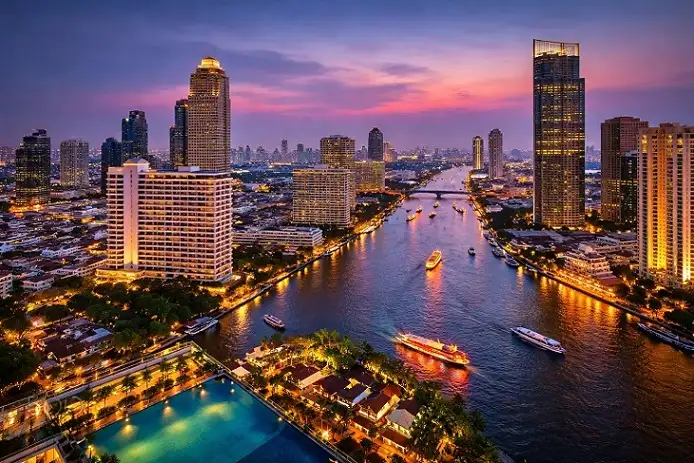
Image Credit: Bangkok Hotel News
The challenge is not driven by a single factor but by several forces unfolding simultaneously. Rising geopolitical tensions, shifts in traveler loyalty, and dramatic changes in the way people discover hotels online are all reshaping the industry. In the midst of these evolving dynamics, this Bangkok Hotel News report highlights that hotel operators can no longer rely solely on traditional marketing strategies that worked in the past.
Middle East Crisis Could Affect Travel Flows
One of the most immediate concerns is the potential impact of ongoing tensions in the Middle East on global travel patterns. While Thailand itself remains far removed from the conflict zone, geopolitical instability often influences international travel decisions well beyond the region where tensions occur.
Airline route adjustments, rising fuel prices, and shifting traveler confidence can all ripple through global tourism networks. Long-haul travelers, particularly those from Europe and North America, often reassess travel plans when geopolitical uncertainty increases. Even subtle changes in sentiment can lead to reduced arrivals, shorter stays, or delayed travel decisions.
For Bangkok’s hotel sector, which depends heavily on international visitors, even a small dip in global travel confidence could have measurable effects on occupancy levels.
Too Many Hotels Are Competing for The Same Guests
At the same time, Bangkok is facing a challenge that has been building for years: an expanding supply of hotels. New luxury developments, lifestyle boutique properties, serviced residences, and international brand expansions have significantly increased the number of available rooms across the city.
While the diversity of options benefits travelers, it creates intense competition for operators. Hundreds of hotels are now competing for the same pool of international arrivals, domestic travelers, and regional tourists.

Image Credit: Bangkok Hotel News
This oversupply means many hotels are forced to compete aggressively on pricing, promotions, and visibility. Even well-known brands with strong reputations are finding that maintaining consistent occupancy and profitability requires far more effort than before.
Travelers Are Seeking Experiences Not Loyalty
Another major shift shaping the industry is the changing mindset of travelers themselves. Loyalty programs that once drove repeat bookings are losing influence as travelers increasingly prioritize unique experiences over brand familiarity.
Modern travelers are more adventurous and curious about discovering new destinations, neighborhoods, and hotel concepts. Many guests now prefer trying a different hotel each trip rather than returning to the same property simply to accumulate loyalty points.
Experiential travel has become a powerful trend, with visitors seeking immersive local culture, culinary discovery, wellness offerings, and distinctive design rather than standardized hospitality experiences.
AI Is Changing How Travelers Choose Hotels
Perhaps the most disruptive development is the rapid rise of artificial intelligence in travel planning. Increasingly, travelers are turning to AI-powered assistants, search tools, and travel planners to ask a simple question: where should I stay in Bangkok?
These AI systems do not rely solely on hotel websites or social media pages. Instead, they analyze information across the internet, including travel articles, editorial coverage, guest reviews, location trends, and digital visibility signals.
This means booking decisions are no longer shaped primarily by hotel Facebook pages, influencer campaigns, or loyalty marketing. Hotels that are rarely mentioned in credible travel narratives may simply disappear from AI-generated recommendations.
Hotels Must Rethink Their Marketing Strategies
For Bangkok’s hospitality sector, the message is clear. Traditional marketing methods alone are no longer sufficient in a world where travelers rely on intelligent recommendation systems and seek fresh experiences with every trip.
Hotels must become far more creative in how they tell their stories and present their offerings to the global travel audience. Partnerships with media platforms, curated local experiences, cultural programming, and distinctive storytelling are becoming critical tools for visibility.
Bangkok remains one of the world’s most vibrant tourism destinations, but the hotels that thrive in the coming years will be those willing to innovate, adapt, and engage travelers in new ways that go far beyond routine social media promotions or static websites.
For the latest on effective hotel promotions and strategies news, keep on logging to Bangkok Hotel News.