


Hotel News: Malaysia’s Hotel Sector Rides a Record Tourism Wave
Malaysia’s hotel industry is emerging as one of Southeast Asia’s strongest hospitality success stories after the country welcomed an unprecedented 42.2 million international tourists in 2025, officially surpassing Thailand’s arrivals for the year. This milestone has translated directly into stronger hotel occupancy rates, rising room yields, and renewed investor confidence across Malaysia’s key tourism destinations. From luxury city hotels to island resorts and business-focused properties, operators are reporting one of their most profitable years in over a decade.
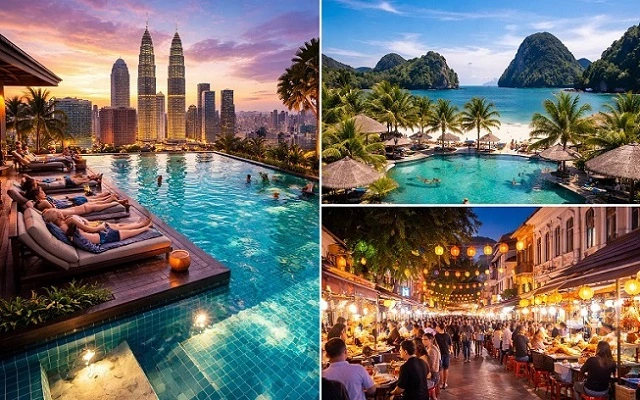
Image Credit: Bangkok Hotel News
The surge in visitor numbers represents an 11.2 percent increase year-on-year and signals more than just a rebound; it reflects a structural shift in regional travel patterns. Malaysia’s hotels have been quick to capitalize on this momentum, upgrading services, expanding room inventories, and fine-tuning pricing strategies to meet sustained demand, as this Hotel News report notes amid growing regional competition.
Why Malaysia’s Hotels Are Outperforming the Region
Industry analysts point to policy clarity and accessibility as decisive factors behind Malaysia’s hospitality upswing. The government’s visa liberalization policies have made travel easier for millions of visitors from China, India, the Middle East, and Europe, directly benefiting hotels that cater to both leisure and business travelers. Shorter entry processes and expanded visa-free access have translated into longer stays and higher average daily spending.
At the same time, improved air connectivity through Kuala Lumpur International Airport and regional hubs has helped drive consistent booking flows to hotels nationwide. Major international hotel brands and independent operators alike are reporting stronger forward bookings, particularly during peak travel seasons and major events.
Urban and Resort Hotels See Strong Gains
Hotels in Kuala Lumpur have benefited significantly from increased corporate travel, conventions, and international exhibitions, reinforcing the city’s position as a regional business hub. Meanwhile, resort destinations such as Langkawi, Penang, Sabah, and Sarawak are enjoying robust leisure demand, with beachfront and eco-resort properties frequently operating at near-full capacity during holiday periods.
Mid-range and boutique hotels have also experienced a notable uplift, driven by younger travelers seeking cultural immersion, culinary experiences, and affordable comfort. This diversified demand profile has insulated Malaysia’s hotel sector from volatility while creating opportunities across all accommodation segments.

Image Credit: Bangkok Hotel News
Tourism Revenue Boosts Hotel Investments and Jobs
Rising tourism receipts in 2025 have strengthened hotel balance sheets and encouraged fresh capital investment. Renovations, brand conversions, and new hotel developments are underway in several states, creating employment opportunities and reinforcing hospitality as a pillar of Malaysia’s broader economic growth. Hoteliers are increasingly confident that demand will remain resilient well into 2026, supported by national tourism campaigns and regional travel recovery.
Sustainability and Long-Term Hotel Growth
Malaysia’s hotel sector is also aligning with sustainability goals, responding to growing traveler demand for responsible tourism. Many hotels are investing in energy efficiency, waste reduction, and partnerships with local communities, particularly in nature-rich destinations such as Borneo and Taman Negara. These initiatives are enhancing brand appeal while protecting the very assets that attract international visitors.
As Malaysia builds toward Visit Malaysia 2026, hotels are expected to remain at the center of the country’s tourism strategy. With strong government backing, improving infrastructure, and a diversified tourism offering, the hospitality sector appears well-positioned to maintain its competitive edge in Southeast Asia.
The exceptional performance of Malaysia’s hotels in 2025 underscores how strategic planning, accessibility, and service quality can reshape regional tourism leadership. As long as hoteliers continue to innovate, invest, and adapt to evolving traveler expectations, Malaysia’s hospitality industry is likely to remain a benchmark for growth and resilience in the years ahead, even as competition intensifies across Asia.
For the latest on hotels in the ASEAN region, keep on logging to Thailand Hotel News.