


Hotel News: Lifestyle Hotels Outpace Traditional Hospitality Models
A dramatic shift is underway in the Asia Pacific hotel landscape as lifestyle hotels surge in popularity, riding a wave of evolving traveler expectations, investor interest, and a demand for more personalized stays. According to JLL’s new Lifestyle Hotels in Asia Pacific 2025 report, the region’s supply of lifestyle hotel rooms is expected to jump by a staggering 34 percent by 2027.
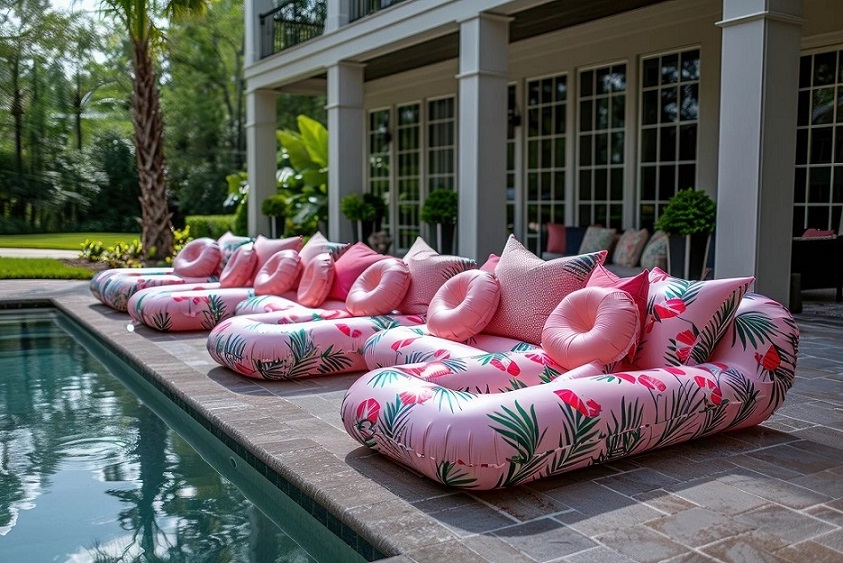
Lifestyle Hotel Boom Shakes Up Asia Pacific Travel Scene
Image Credit: JLL
This explosive growth comes on the back of an already impressive expansion. Since 2014, the number of lifestyle hotel rooms in the region has quadrupled, with nearly 65,000 new rooms introduced. These unique, design-forward hotels are no longer niche players—they now represent 6 to 9 percent of all new hotel supply in the region. Their rise is a response to travelers seeking more curated and immersive experiences. This Hotel News report reveals that investors are taking note, drawn by the potential for stronger-than-average returns and long-term brand value.
Mergers and Brand Partnerships Shape the Future
The lifestyle hotel segment’s strong financial performance is now catalyzing a new wave of mergers and acquisitions. Xander Nijnens, Managing Director at JLL Hotels & Hospitality Group, noted that the sector is attracting serious capital, both from legacy hotel groups and emerging players. Larger brands are expanding their lifestyle portfolios aggressively, while smaller hotel platforms are seeking partnerships to scale and remain competitive.
This ongoing consolidation is expected to fuel creativity and push the sector toward more differentiated concepts. As the marketplace becomes more crowded, only those brands that offer truly unique, culturally resonant experiences will be able to stand out. The competition is intensifying, and innovation will be the key to survival.
Southeast Asia Takes the Lead While Australia Gains Momentum
Southeast Asia currently holds the lion’s share of the lifestyle hotel market, with three times more rooms than Australia, New Zealand, and South Asia combined. However, Australia and New Zealand are rapidly catching up, driven by booming domestic travel markets and a rising appetite for experience-led accommodations.
The financial advantages of lifestyle hotels are clear. These properties can command a 10 to 11 percent rate premium over traditional hotels. Much of that edge is thanks to curated experiences, trendy interiors, and vibrant food and beverage venues that drive both revenue and guest satisfaction. In fact, F&B operations in lifestyle hotels often generate up to 30 percent more revenue per occupied room than those in conventional properties.
Ten New Brands Set to Enter the Market
The region is expected to welcome ten new lifestyle hotel brands by 2027, which will significantly expand choices for travelers and heat up competition for operators. While global hospitality giants still control about 80 percent of the current lifestyle supply, local and regional brands are beginning to punch above their weight by offering culturally rooted and authentic experiences.
Marriott International leads the Asia Pacific lifestyle inventory, with Hyatt close behind. These brands, along with others, are investing heavily in acquiring or developing trendy boutique players like NoMad, The Standard, CitizenM, and Ruby to deepen their lifestyle portfolios and appeal to younger demographics.
Lifestyle Hospitality Expands into Midscale Segments
What began as a luxury and upscale phenomenon is now trickling into the upper midscale and even three-star segments. The lifestyle brand concept—once reserved for the elite—is becoming more democratized. Domestic travelers and younger guests are now a core focus for these brands, which are adapting their offerings for broader appeal without sacrificing the essence of individuality.
According to Marina Bracciani, Head of Hotels Research at JLL Asia Pacific, “Traditional hotel brands will need to adapt or risk becoming irrelevant. The blurring of lines between segments is creating opportunities for those willing to evolve.” Operators that manage to deliver authentic experiences at scale will lead the next generation of hospitality.
As lifestyle hotels continue to reshape how people travel, they are not only altering the accommodation experience but also shifting the economics and branding strategies of the entire hotel industry in Asia Pacific. From curated dining concepts to bold design and community-focused spaces, these hotels are no longer a trend—they are the future.
And with travelers placing more value on connection, culture, and character than ever before, lifestyle hotels are perfectly positioned to meet the moment and define the next chapter in hospitality across the region.
The JLL’s new Lifestyle Hotels in Asia Pacific 2025 report can be found here:
https://www.jll.com/en-au/insights/lifestyle-hotels-in-asia-pacific
For the latest on Lifestyle Hotel Brands and Concepts, keep on logging to Bangkok Hotel News.