


Bangkok Hotel News: A New Breed of Power Players Emerges
Bangkok’s skyline has never been more restless. Tower cranes dot the horizon from Sukhumvit to Charoenkrung, and the pace of new hotel construction in the city has accelerated sharply in the past two years. But while global brands continue to grab headlines with glossy press releases, it is not Marriott, Accor, or Hyatt driving the quiet revolution in the Thai capital’s hotel industry. Instead, a cadre of lesser-known yet highly influential investors, second-generation Thai families, private equity firms, and cross-border joint ventures are quietly reshaping the city’s hospitality future—one acquisition or groundbreaking at a time.
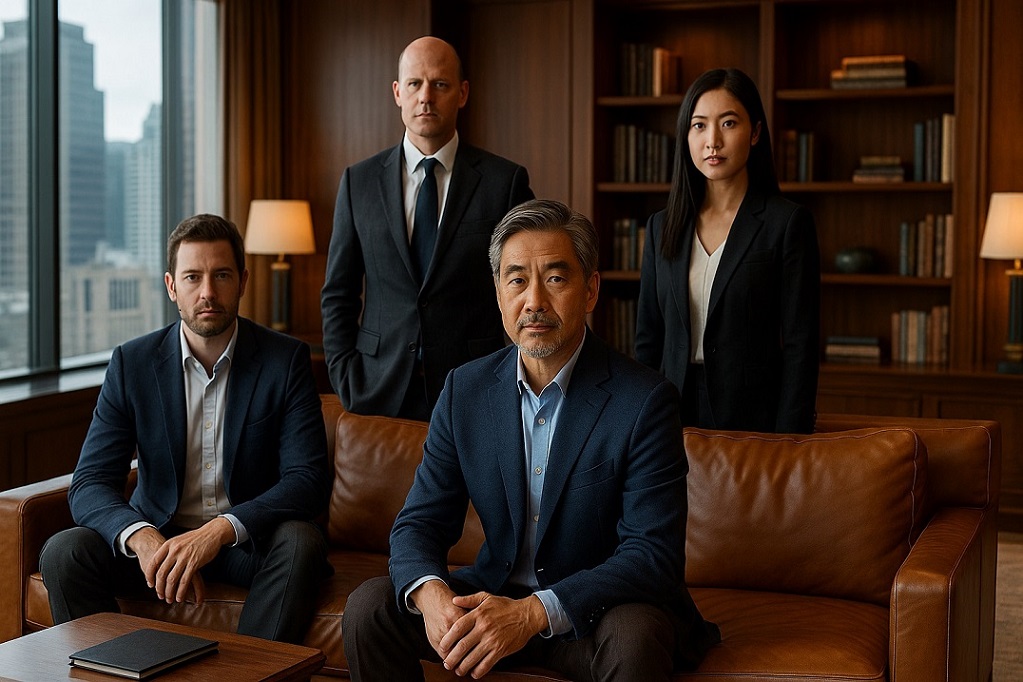
New profile of hotel owners are emerging in Bangkok
Image Credit: AI-Generated
The post-pandemic hotel boom in Bangkok is no longer just about luxury brands staking territory. What’s unfolding beneath the surface is a calculated wave of strategic moves by individuals and entities that remain largely outside the public eye. According to this Bangkok Hotel News report, over 40% of new hotel development deals in 2024 were spearheaded not by traditional hospitality groups but by local tycoons with diversified portfolios and foreign funds capitalizing on undervalued assets.
The Second-Gen Tycoons Taking Over
Leading this new movement are second-generation heirs of Thai conglomerates who are moving away from legacy industries and eyeing hotels as safer long-term bets. Figures like Chintat and Narit Chia-Apar, once best known in the realm of seafood, real estate and consumer goods, are now emerging as strategic hotel developers through firms like the Pinetree Group and Orchid Hospitality Ventures. Their formula is simple but effective: acquire undervalued land parcels near future transit zones, partner with international hotel brands for soft branding, and build concept-driven boutique or lifestyle hotels designed for the Instagram generation.
In parallel, family-owned holdings like the Thanawan Group and Tinnaporn Holdings—formerly known for shipping, sugar, or ceramics—have diversified into hospitality using private capital, often through partnerships with Japanese or Korean investors. These families view the hotel sector not just as an income stream, but as a long-term generational asset play in a country still reliant on tourism.
The Foreign Funds Moving In
Equally notable is the silent surge of foreign investment, particularly from Singapore, the Middle East, and Hong Kong. Hedge funds and boutique investment houses like Lionrock Capital and Crescent Sands Asset Management have been scooping up distressed or underperforming hotels, particularly during the pandemic slump, only to rebrand or flip them post-renovation for high returns. These funds typically operate under holding companies that mask ownership, allowing them to navigate regulatory and land ownership laws more fluidly.
One standout case is the conversion of a former hotel near Phrom Phong into a high-end co-living space backed by a Singaporean family office—now operating under a minimalistic lifestyle brand that appeals to digital nomads and extended-stay travelers. This trend is quietly redefining what a hotel even is, especially in a city with rising rental and office prices.
Why These Quiet Players Matter
These emerging moguls are changing the nature of competition in Bangkok. While major hotel brands continue their traditional franchise and management models, these new power players are operating with speed, flexibility, and less bureaucracy. Their decisions are based on real-time consumer behavior, not boardroom analytics. They often build faster, cut better land deals, and respond to trends with agility—whether it’s the boom in wellness tourism, the rise of long-stay digital workers, or demand for pet-friendly accommodation.
The quiet moguls are not just building properties—they’re building influence. And as Bangkok’s hotel supply continues to grow, the ones who control land, labor, and localized insight may soon control the market narrative too.
As the city braces for a new wave of hospitality evolution, one thing is clear: the old model of relying solely on brand prestige is being disrupted. Bangkok’s future as a hotel capital is increasingly being shaped by investors and developers working quietly, quickly, and smartly behind the curtain. Their influence is subtle but profound—and if left untracked, it could blindside competitors stuck in old ways of thinking.
For the latest on Bangkok hotel investors, keep on logging to Bangkok Hotel News.